What Is a Bubble Tea Brand? Taiwan's Street-Side Drink Empire and Consumer Trends
bubble tea brands refers to a chain beverage business built through chain operations, standardized tea brewing processes, brand packaging, market positioning, and franchise systems. As the birthplace of bubble tea, Taiwan has seen bubble tea brands go far beyond quenching thirst, evolving into a lifestyle industry that blends visual aesthetics, customized flavors, and social buzz.
As competition intensifies, a successful bubble tea brand needs not only a consistent, high-quality tea base, but also precise planning in brand category, brand identity design, and target customer analysis to stand out in a crowded market.
Types of Bubble Tea Brands: Three Positioning Models That Define Business Models and Competitive Advantage
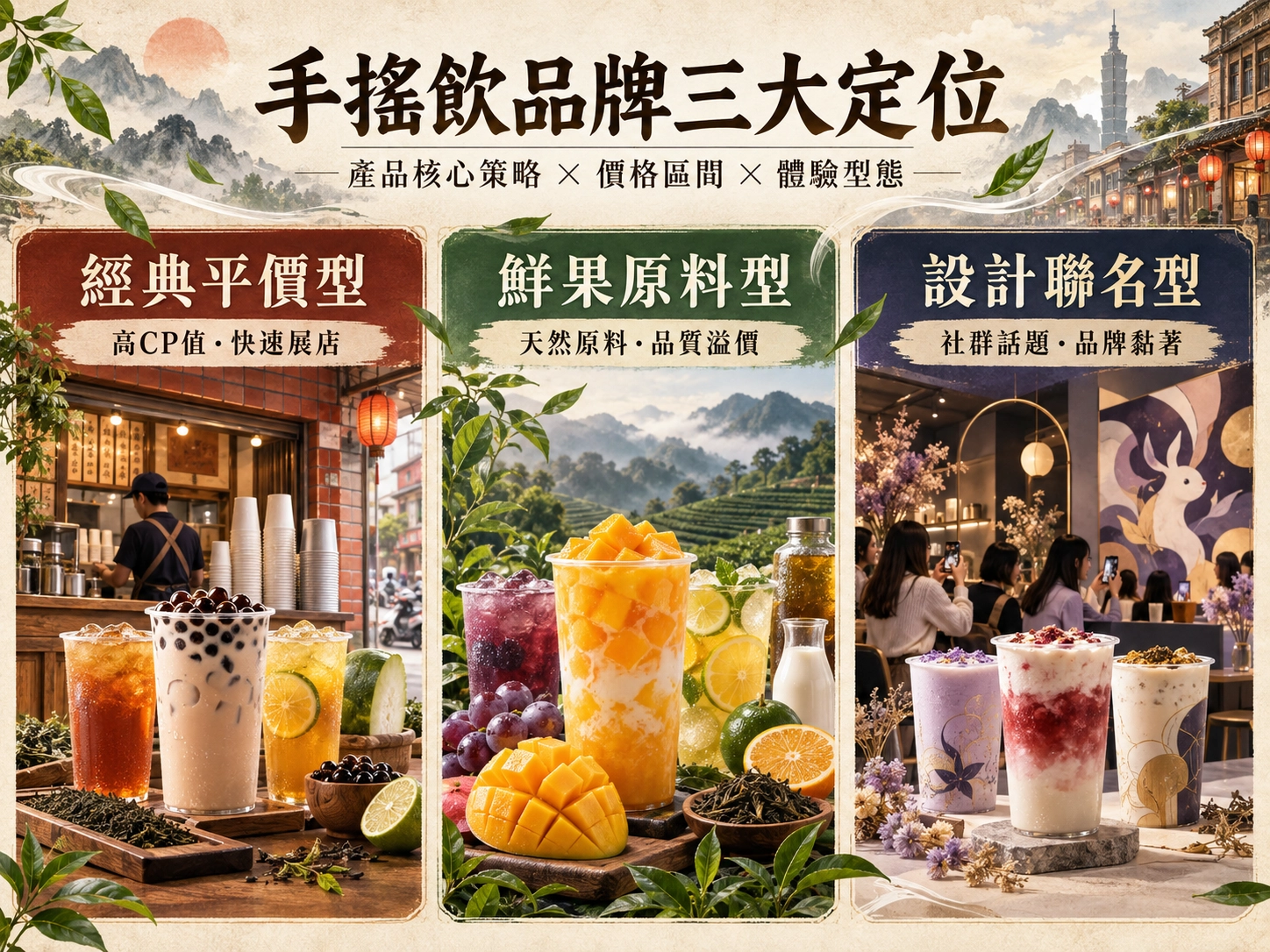
Within Taiwan's huge bubble tea industry, bubble tea brand types can be divided into three main categories based on product strategy, price range, and experience format:
Classic, Traditional, and Value-Focused
- Features: Core strengths are great value, fast service, and a large number of locations.
- Signature items: Traditional pure teas, classic boba milk tea, winter melon lemon, and more.
- Business advantages: A huge audience covering cities and towns across Taiwan, sustaining high margins through economies of scale and strong supply chain management.
Fresh Fruit and Ingredient-Focused
- Features: Feature farm-direct fresh fruit, high-quality fresh milk, or whole-leaf tea from specific contract gardens, emphasizing natural, healthy, additive-free products.
- Signature items: Mango pomelo sago, cheese foam grape, cold-brew single-origin teas, high-mountain fruit teas.
- Business advantages: Higher average tickets attract quality- and safety-conscious customers and create strong product barriers.
Design Aesthetics and Lifestyle Collaborations
- Features: Emphasize store design, packaging visuals, and Instagram-worthy experiences, with frequent IP collaborations.
- Signature items: Influencer-style signature drinks, co-branded packaging and merchandise, visually striking pure-tea drinks.
- Business advantages: Extremely strong social media reach and organic exposure, quickly building highly loyal fans among young consumers.
Bubble Tea Brand Recognition: How to Create Memorable Visuals and Flavors
In a highly homogenized competitive environment, strong bubble tea brand recognition determines whether consumers remember a brand instantly. Brand recognition is shaped across two dimensions—visual and taste:
Visual and Packaging Identity
- Signature color systems: For example, bold blue-and-yellow contrast, retro "guochao" Chinese style, or minimalist hipster tones that let consumers recognize the brand from a distance by its cups or signage.
- Patented cup shapes and IP mascots: Distinctive angled cups, chubby cups, or original brand characters greatly increase people's desire to take photos and share on social media.
Taste and Product Identity
- Exclusive signature products: Specific items become associated with specific brands (for example, mango pomelo sago with Macu Tea, and Four Seasons Spring green tea with 50 Lan).
- Signature topping development: Exclusively developed taro balls, tea jelly, creamy milk cap, or special pearls become core memory points that other brands find hard to copy.
To learn more about F&B brand marketing and franchise industry regulations in Taiwan, see the Administration of Commerce, Ministry of Economic Affairs.
Bubble Tea Brand Customer Analysis: Precisely Targeting the Purchase Decisions of Three Consumer Groups
To build stores with high turnover and repeat purchases, you must study the behavior of bubble tea brand customers in depth. Today's market consists mainly of three customer groups:
- Gen Z and students (ages 15–24): Moderately price-sensitive but highly focused on social buzz and good looks. They love plenty of toppings and buzzworthy collaboration products.
- Office workers and budget-conscious professionals (ages 25–40): Bubble tea is a daily stress reliever and an office afternoon-tea essential. They prefer unsweetened pure tea and premium fresh milk tea, and expect fast service and convenient chain locations.
- Families and health-focused consumers (40+): Highly concerned with food safety, ingredient sources, sugar, and calories; they prefer 100% farm-fresh fruit teas or clearly labeled whole-leaf tea grown in Taiwan.
For bubble tea calorie and sugar labeling and food safety regulations, visit the Taiwan Food and Drug Administration, Ministry of Health and Welfare to look up the relevant rules.
Taiwan's Top 10 Bubble Tea Brands: Buzz, Features, and Signature Drinks
Combining big-data buzz statistics and market discussion, here is a comprehensive look at Taiwan's most influential top 10 bubble tea brands:
50 Lan
- Brand positioning: Taiwan's benchmark everyday bubble tea brand.
- Core features: Highly consistent quality, extensive store coverage, and a well-known free-topping strategy on selected drinks.
- Signature drinks: Four Seasons Spring tea, boba coconut milk tea, ice cream black tea.
Macu Tea
- Brand positioning: Pioneer of fresh-fruit, dessert-style bubble tea.
- Core features: Features farm-direct fresh fruit and dessert-like textures, leading the trend toward filling toppings.
- Signature drinks: Mango pomelo sago, cheese foam mango, jade orange tea.
Ching Shin Fu Chuan
- Brand positioning: A long-standing, affordable bubble tea chain.
- Core features: Has a huge number of stores across Taiwan and frequently collaborates with anime IPs to attract cross-over audiences.
- Signature drinks: Oolong green tea, Yakult green tea, toffee yuanyang milk tea.
Milksha
- Brand positioning: Quality tea drinks made with fresh milk from its own ranch.
- Core features: Emphasizes no added flavorings and pure fresh milk, successfully building a reputation for premium fresh milk tea.
- Signature drinks: Dajia taro fresh milk, Earl Grey tea latte, white pearl fresh milk.
8Yao Tea
- Brand positioning: Known for Japanese-style grain teas and light, refreshing tea drinks.
- Core features: Features caffeine-free grain teas and Japanese minimalist aesthetics, with very high buzz on social media.
- Signature drinks: Yuzu Awakening 307, 8Yao Wa Tea, Gokujo 307.
Kebuke
- Brand positioning: An aged black tea specialist with a retro British style.
- Core features: Unique tea-aging techniques combined with striking visuals and hipster packaging.
- Signature drinks: Aged black tea, rouge black tea, spring bud green tea.
DaYung's
- Brand positioning: Known for combining fresh fruit tea with local agriculture.
- Core features: Committed to local Taiwanese fresh fruit, with production traceability and source management.
- Signature drinks: Guava lemon, Irwin mango smoothie, jade lemon tea.
TRUEDAN
- Brand positioning: A brown sugar pearl fresh milk specialist.
- Core features: Exclusive handmade, slow-simmered brown sugar pearls, with very high recognition in international markets.
- Signature drinks: Brown sugar pearl fresh milk, Thai fresh milk tea.
Guiji
- Brand positioning: Old-fashioned small-farm fresh fruit and traditional teas.
- Core features: Known for old-fashioned flavors and partnerships with small farms, with rich tea that's smooth on the throat.
- Signature drinks: Red pomelo jade tea, rich milk tea, Assam fresh milk tea.
TaoTao Tea
- Brand positioning: A refined, aristocratic tea brand from the Rose House group.
- Core features: Brings aristocratic afternoon-tea quality at an affordable price, with packaging full of classic floral artistry.
- Signature drinks: English rose fresh milk tea, Four Seasons Spring tea, English fruit tea.
Readers interested in Taiwan's tea cultivation techniques and the tea cultivars used as bubble tea bases can refer to professional research reports from the Tea and Beverage Research Station, Ministry of Agriculture.
Competing for a Hot Market: Four Keys to Future Success for Bubble Tea Brands
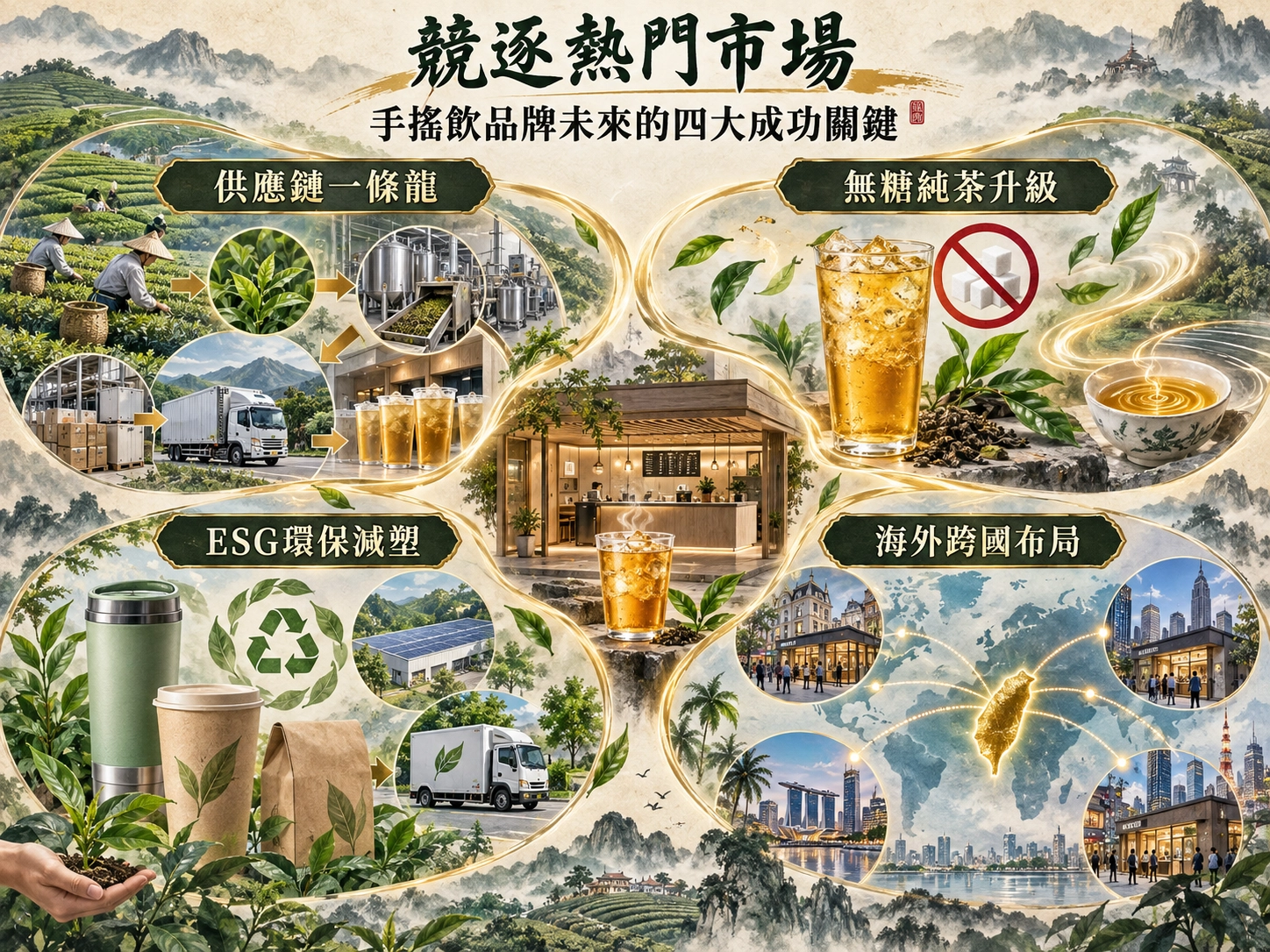
To stand firm in a fiercely competitive market, future bubble tea brands must master four strategic directions:
- Stable supply chain and end-to-end integration: Partner with quality contract tea gardens and build automated brewing systems to ensure zero quality gaps across locations.
- Upgraded unsweetened pure tea: With the trend toward less sugar, whether pure tea can deliver a sweet finish without added sugar has become the core test of a brand's strength.
- ESG and plastic reduction: Fully adopt reusable cups and biodegradable packaging, and practice green supply chain procurement.
- Overseas expansion: Replicate standardized Taiwanese bubble tea brands in Southeast Asia, North America, and Europe to expand international revenue.
A New Benchmark for Bubble Tea Brands: How ROOJI Defines Premium Tea Through Visuals, Tea Sources, Culture, and Taste
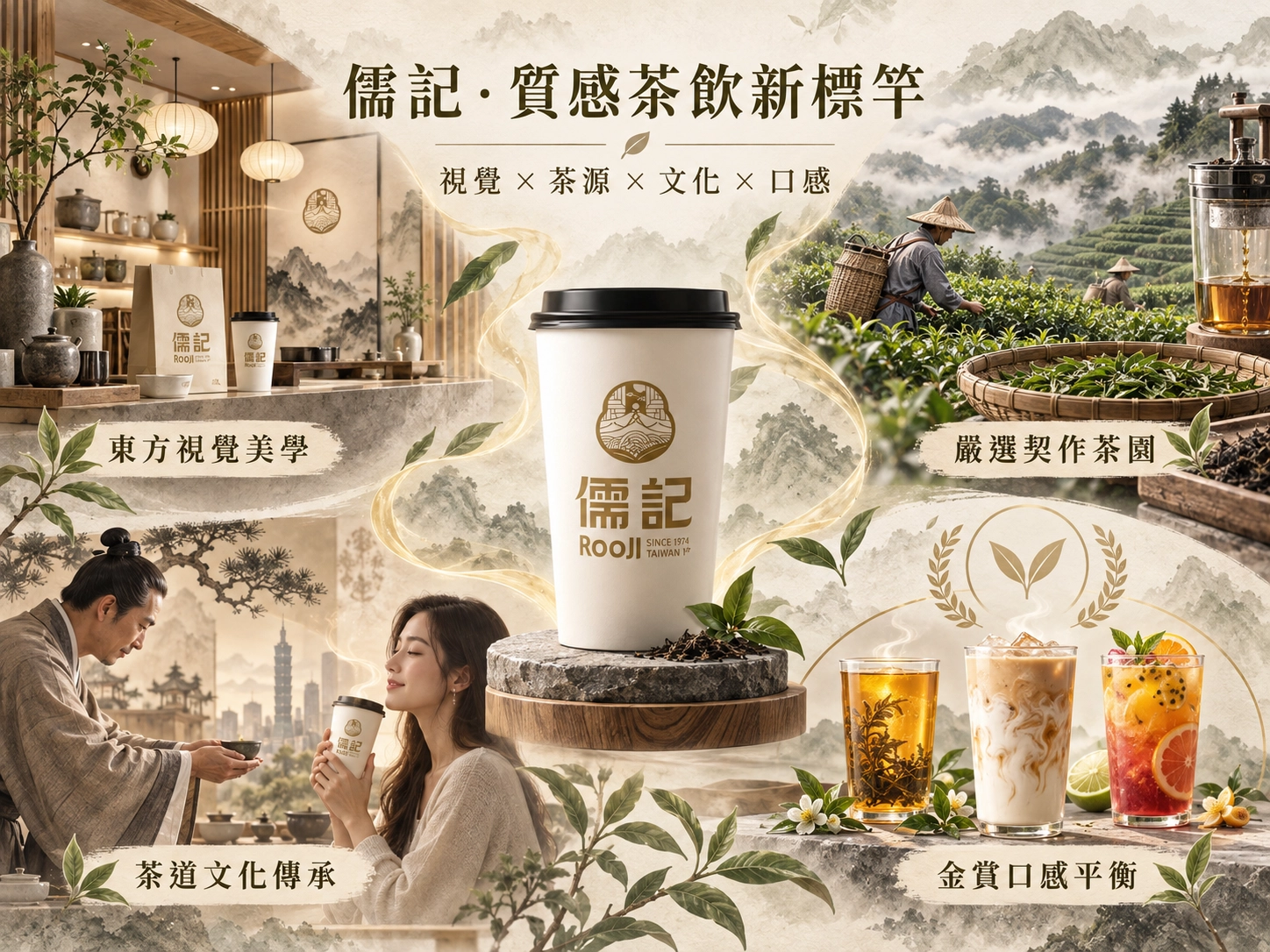
In a bubble tea market crowded with similar products, ROOJI has set a new standard for premium bubble tea brands with four core strengths: visual aesthetics, quality tea sources, cultural heritage, and award-worthy taste. Here is an in-depth look at ROOJI's brand competitiveness across these four dimensions:
Brand Recognition: A Perfect Blend of Eastern Aesthetics and Modern Visuals
- Visual language: Centered on the warm elegance of Confucian culture, integrating traditional tea aesthetics into store spaces and packaging design.
- Building memorability: From a refined brand logo to exclusive cup designs with an Eastern touch, ROOJI has built exceptionally high brand recognition.
- Market differentiation: Breaking away from the common American or minimalist styles, ROOJI has established a premium image among chain tea shops that is hard to replicate.
Selected Contract Tea Gardens: Quality and Craft Controlled at the Source
- Ingredient commitment: We refuse cheap bulk tea dust and use carefully selected whole-leaf tea as the base for our entire range.
- Source management: Long-term contracts with quality local tea farmers, with strict oversight of garden management, picking standards, and traditional roasting.
- Brewing technique: Precise control of water temperature and steeping time fully releases the leaves' natural aroma and body, ensuring a mellow tea that's never bitter.
Carrying On the Spirit of Tea: Bringing Traditional Tea Culture into Modern Life
- Cultural translation: Breaking the stereotype that tea is only for the older generation, ROOJI turns elaborate tea rituals into something that fits today's fast-paced lifestyle.
- A daily ritual: Busy city dwellers can enjoy rich tea character and the spirit of serving tea even when grabbing an everyday drink.
- A bridge between generations: By sharing tea knowledge, ROOJI connects traditional tea culture with today's young consumers.
Flavor for Everyone: The Perfect Balance of Expert Tea Character and Broad Appeal
- Exclusive golden ratios: After extensive testing, our R&D team has found the best balance for our pure tea, fresh milk tea, and fruit tea series.
- Healthy pure tea series: Designed for tea lovers who want guilt-free drinks, offering smooth, naturally sweet pure brews.
- Rich signature series: Combining quality fresh milk and natural toppings, these layered, smooth signature drinks please every age group.
ROOJI Core Competitiveness at a Glance
| Dimension | Common Pain Points of Bubble Tea Brands | ROOJI (Rooj-ITEA) Brand Advantage |
| Brand identity | Highly similar designs that lack a lasting visual impression | Eastern Confucian-inspired packaging with very high visual recognition |
| Tea source | Bulk tea dust with inconsistent quality and flavor | Local contract tea gardens; carefully selected whole-leaf tea, freshly brewed |
| Cultural depth | Purely commercial, lacking emotional connection to the brand | Carries on the spirit of the Eastern tea ceremony and promotes a modern culture of serving tea |
| Taste | Relies on high sugar or artificial flavorings to mask bitterness | Precisely calibrated golden brewing ratios—naturally sweet even unsweetened |
A New Benchmark for Bubble Tea Brands: ROOJI Combines Multiple Strengths to Lead the Industry Forward
Combining visual aesthetics, quality tea sources, cultural depth, and outstanding taste, ROOJI is redefining the standard for modern bubble tea brands. For consumers who care about tea quality, ROOJI is an essential premium choice in everyday life; for partners looking to start an F&B business, ROOJI demonstrates strong brand competitiveness and market differentiation. By continually raising product standards and brand influence, ROOJI will keep leading the bubble tea industry—as a master of Eastern tea drinks—into a new era of greater cultural depth and business value.
Looking for a premium bubble tea with a truly sweet finish and no bitterness, or a stable, high-quality Taiwanese tea supply chain that passes strict food safety testing? Whether you want to experience the refined flavor of natural tea or plan a customized tea partnership, feel free to contact us, and let us create a premium tea experience and new business opportunities just for you!