What Is Bubble Tea? A Look at Taiwan's Street Tea Culture
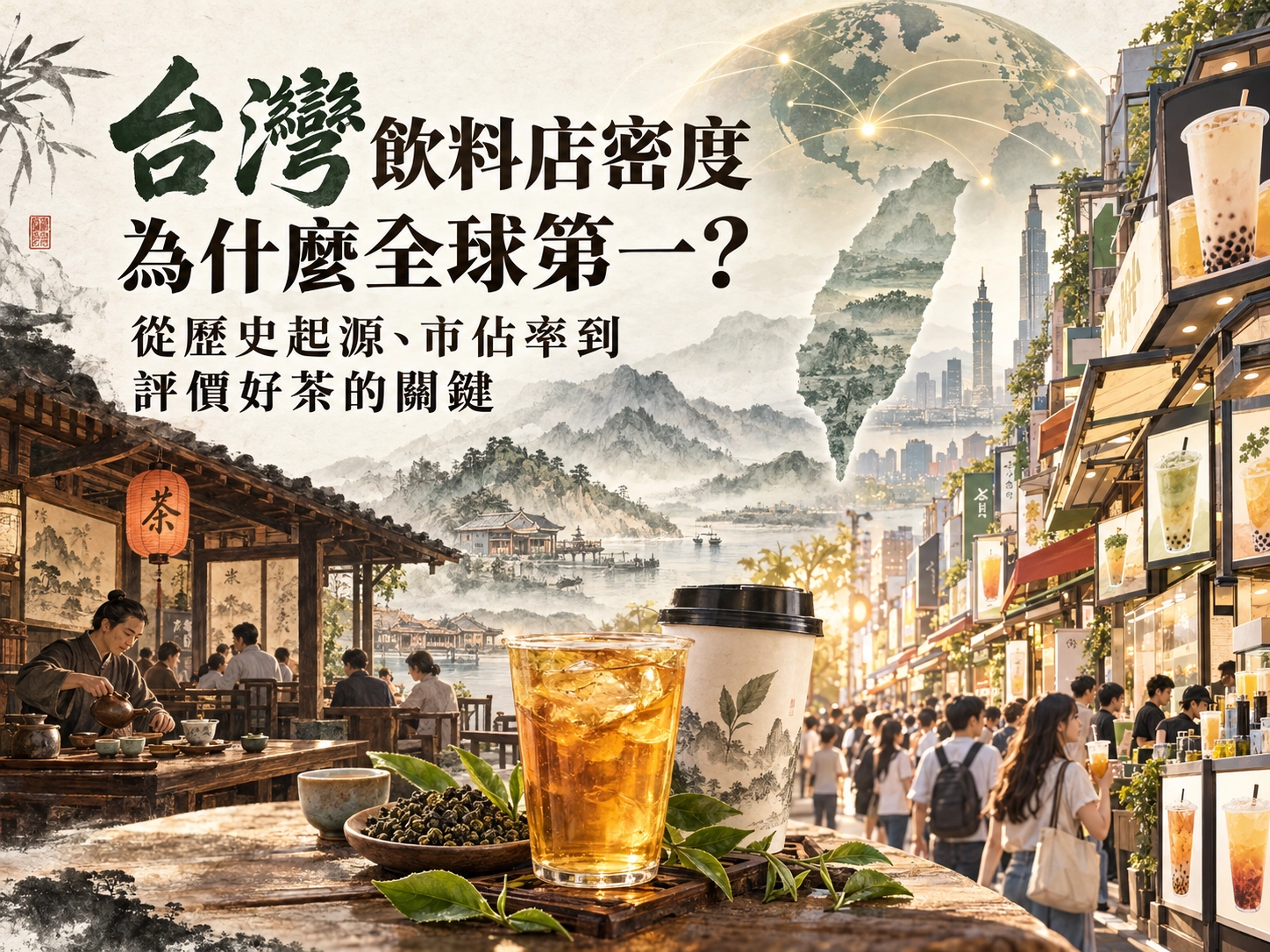
Bubble tea (hand-shaken tea)—what is it? Simply put, it's a mixed tea drink made by brewing a tea base, adding ice, syrup, or toppings, and then shaking it by hand or machine to blend, chill it quickly, and create a fine foam. Originating in Taiwan in the 1980s, this unique drink not only changed the slow pace of traditional tea brewing but also turned tea culture into a youthful, mainstream part of everyday life.
What Types of Tea Are Commonly Used in Bubble Tea?
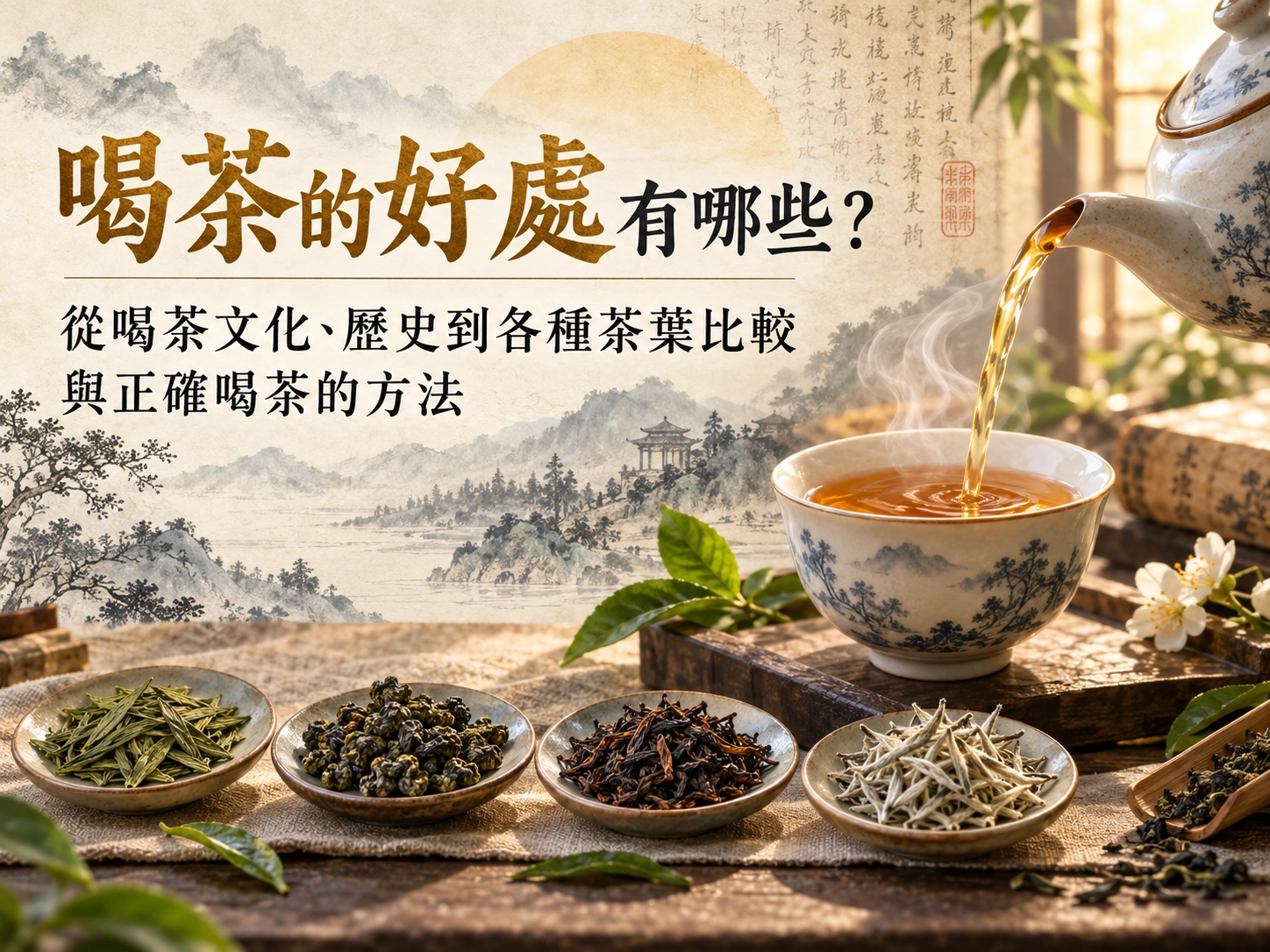
The key to a premium cup of bubble tea is the base tea. The teas commonly used today are mainly classified by oxidation level and processing:
- Green tea (unoxidized): Mainly jasmine green tea (Pouchong or scented green tea), with a fresh, floral taste that pairs beautifully with fruit toppings.
- Black tea (fully oxidized): Such as Assam, Ceylon, or Taiwan Tea No. 18 (Ruby Black). Rich and full-bodied—the best base for milk tea and fresh milk tea.
- Oolong tea (semi-oxidized): Including Four Seasons Spring, Cuiyu, and Dongding Oolong, with both floral and malty roasted notes and a smooth, mellow taste.
- Blue-green tea (qing cha): With oxidation between green tea and oolong, it retains green tea's freshness and oolong's depth.
Taiwanese vs. Vietnamese Tea in Bubble Tea: Flavor, Cost, and Uses Explained
In the bubble tea industry, where tea comes from directly affects cost and flavor. Many consumers wonder how Taiwanese and Vietnamese tea differ. Here's a detailed comparison:
| Comparison | Taiwanese Tea | Vietnamese Tea |
| Growing environment | High-mountain climate, large temperature swings, fertile soil | Hills and plateaus, mild climate |
| Taste & flavor | Long-lasting character, strong sweet finish, low bitterness | More direct flavor with some astringency, but a strong tea taste |
| Common uses | Single-origin (unsweetened) teas, premium bubble tea | Blended teas and mixed drinks (milk tea, fruit tea) |
| Market cost | Limited production, higher costs | High production, price advantage |
To learn more about international tea trade and inspection standards, see the Tea and Beverage Research Station, Ministry of Agriculture.
Advantages of Taiwanese Tea in Bubble Tea: Why Do Quality Shops Prefer Local Tea?
Although imported tea has a price advantage, Taiwanese tea still holds an irreplaceable place in the bubble tea market. The advantages of Taiwanese tea show up in three main ways:
Exceptional Geography and Craftsmanship
Taiwan's abundant high mountains and ideal climate for tea, combined with generations of refined tea-making and roasting craftsmanship, give Taiwanese tea exceptionally distinctive aromas and a sweet finish.
Strict Food Safety Standards and Assured Quality
Taiwan's agricultural authorities enforce pesticide residue testing and production traceability for local tea. Related food safety regulations and inspection standards can be found at the Taiwan Food and Drug Administration, Ministry of Health and Welfare, giving consumers more peace of mind.
Excellent for Unsweetened Single-Origin Tea
Tea brewed from Taiwanese leaves rarely tastes bitter even without sugar, making it ideal for today's popular unsweetened cold-brew teas and premium single-origin teas.
Key Factors That Determine Bubble Tea Flavor
To make an amazing cup of bubble tea, beyond tea type and origin, you need to master three key elements:
- Water quality and temperature: Soft water fully releases tea aroma, and each tea type needs precise temperature control (about 80°C–85°C for green tea and 90°C–95°C for black tea).
- Chilling speed: Shaking chills the tea quickly, locking in aroma and creating tiny bubbles for a smoother mouthfeel.
- Tea-sugar balance: Good bubble tea uses sugar to complement the tea's aroma rather than mask the tea's own flavor.
Readers interested in food nutrition and beverage additives can also refer to records of the history of Taiwanese tea drinks in the Encyclopedia of Taiwan (Ministry of Culture).
How to Choose a Quality Bubble Tea: Three Criteria for Smart Consumers
After learning about tea types and origins, you can quickly judge a cup of bubble tea in daily life with these three points:
- Check the clarity of the tea: Quality pure tea should be bright and glossy, without excessive sediment.
- Try it unsweetened: Order an unsweetened pure tea—if it's smooth on the throat, not bitter, and leaves a sweet finish, the shop is using top-quality tea.
- Check ingredient labeling: Choose brands that clearly label tea origins (such as 100% Taiwanese tea) and provide food safety test certification for extra peace of mind.
The Golden Rules for Brewing Great Bubble Tea: The Flavor Magic of Temperature, Time, and Chilling
Turning quality tea leaves into an amazing Bubble tea (hand-shaken tea) depends on precise brewing technique. Water temperature and steeping time directly determine how much polyphenols, caffeine, and L-theanine are released. For example, lightly oxidized green tea should be brewed at 80°C–85°C to avoid destroying vitamin C and creating bitterness, while highly oxidized black tea needs 90°C–95°C to awaken its rich aroma. In addition, rapid chilling during shaking instantly locks in volatile aroma molecules while whipping air into the tea to create a creamy foam, greatly improving its soft, smooth mouthfeel.
New Health Trends in Bubble Tea: The Rise of Unsweetened Pure Tea and Natural Flavors
As health awareness grows, Bubble tea (hand-shaken tea) has evolved from a byword for high sugar and calories into a healthy way for modern people to stay hydrated and get antioxidants. More and more consumers choose "unsweetened" or "light sugar" when buying bubble tea—which is also the toughest test of tea quality. A quality base tea is rich in catechins and natural L-theanine; even without any sugar, it shows natural sweetness and floral, fruity aromas, satisfying your craving without worrying about the burden on your body.
How Toppings Enhance Flavor: Choosing the Best Tea Base
Toppings are an essential part of the fun of the Bubble tea (hand-shaken tea) experience, but pairing different teas with toppings is an art. Fresh, floral green and blue-green teas pair beautifully with aiyu jelly, aloe vera, or fresh fruit for layered refreshment, while bold, roasted, or highly oxidized black teas and oolongs are the perfect partners for tapioca pearls, noodle jelly, and taro balls—their rich body complements the toppings' cane-sugar sweetness and chewiness for perfect balance.
Sustainability and Quality: Supply Chain Management and Food Safety Commitments of Bubble Tea Brands
As the bubble tea industry thrives, outstanding Bubble tea (hand-shaken tea) brands must not only pursue excellent flavor but also practice sustainability through supply chain management and social responsibility. From contract tea garden management and pesticide residue testing at the source to plastic reduction and cold-chain logistics at stores, every link affects consumer safety. Choosing brands with complete traceability and a commitment to high-quality tea lets you enjoy a premium tea experience while supporting local tea farmers and environmental sustainability.
How to Choose Bubble Tea Ingredients: A Sourcing Guide for Distributors
For distributors entering the beverage market or sourcing tea, choosing a quality Bubble tea (hand-shaken tea) ingredient supplier means evaluating three key criteria:
- Consistent quality: Does the supplier provide batch test reports (SGS) and ensure consistent flavor across seasonal deliveries?
- R&D and blending capability: Can they provide customized tea flavor development and blending services based on market trends?
- Supply capacity and pricing: Do they have stable production capacity and reasonable wholesale prices so distributors and stores can maintain healthy margins?
The Advantages of Taiwanese Tea and ROOJI's Supply Chain: Core Competitiveness for Franchising and Distribution
For distributors and franchisees sourcing ingredients, choosing ingredients with the advantages of Taiwanese tea is key to building brand differentiation and competitiveness. Taiwanese tea benefits from an exceptional high-mountain growing environment and a century of refined roasting craftsmanship—even as unsweetened cold brew it rarely tastes bitter, offering a strong sweet finish and natural tea aroma.
Combined with ROOJI (ROOJ-ITEA)'s powerful tea supply chain integration, the advantages of Taiwanese tea can be fully realized:
- Century-old craftsmanship and contract-farming R&D: ROOJI carries on years of refined tea-making expertise and partners with quality local contract gardens, providing customized R&D and blending for the bubble tea market to ensure unique flavor and batch-to-batch consistency.
- Strict food safety and complete traceability: Taiwanese tea already meets strict food safety testing standards, and ROOJI goes further with full testing (SGS certified) and traceability from the tea garden to shipment, giving distributors and franchise stores the highest quality assurance.
- Great value and commercial advantage: ROOJI breaks the stereotype that quality Taiwanese tea must be expensive. Through end-to-end supply chain management, we lower purchasing costs, helping partners win over consumers with great-value products in a market that values food safety and flavor—and easily build a tea brand with high repeat purchases and strong profits.
Looking for a premium bubble tea with a truly sweet finish and no bitterness, or a stable, high-quality Taiwanese tea supply chain that passes strict food safety testing? Whether you want to experience the refined flavor of natural tea or plan a customized tea partnership, feel free to contact us, and let us create a premium tea experience and new business opportunities just for you!